Fruit infusions
Fruit first, tea close behind
Fruit is the quickest way to change an iced tea. One ripe peach, a handful of berries or a wedge of melon can shift a plain glass from dutiful to delicious. The trick is to let the fruit lead without drowning the tea underneath.
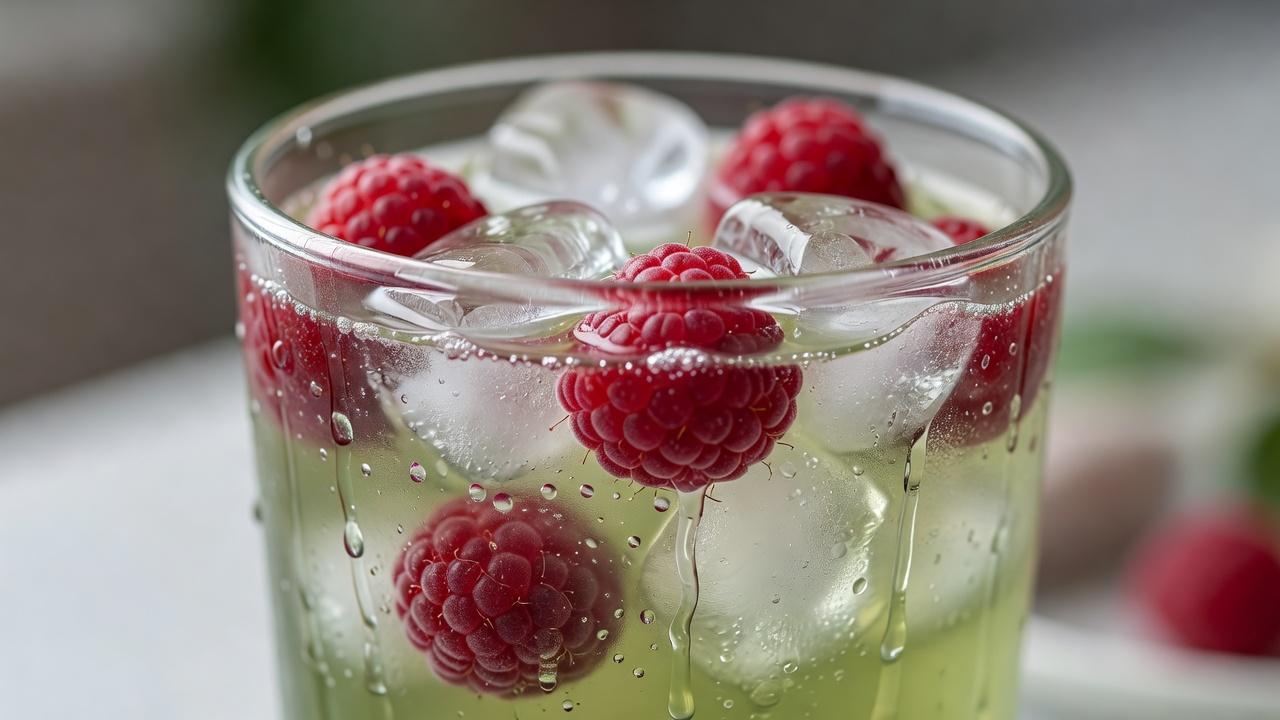
Why one fruit beats five
It is tempting to throw a whole fruit bowl into the jug. Resist it. Each fruit brings its own sugar, acid and aroma, and too many at once blur into a vague "fruit punch" taste where nothing stands out – including the tea. Start with one fruit, taste, and only then add a second as a supporting note.
Think about structure first. Stone fruits like peach, apricot and nectarine are soft and honeyed, so they want a tea with some backbone: a malty Assam from north-east India or a brisk Kenyan black tea. Berries are sharper and more perfumed, which suits lighter green teas such as Japanese sencha or Chinese Dragon Well. Tropical fruit – mango, pineapple, passion fruit – has enough power to stand up to strong black tea or tart hibiscus.
Citrus is the exception: lemon, lime and orange work as a finishing seasoning in almost every fruit tea. A squeeze at the end tightens loose flavours, the same way salt sharpens a sauce.
Fruit and tea pairings that work
Peach + Assam
Malty black tea and ripe peach taste like a summer pastry. Add a little vanilla syrup if you like it rich.
Strawberry + Darjeeling
Darjeeling's muscatel note meets jammy strawberry. Keep it light on sugar.
Watermelon + hibiscus
Hibiscus brings cranberry-like tartness; watermelon adds juice and softness. Naturally caffeine-free.
Mango + Ceylon
Sri Lankan Ceylon tea is bright and citrusy, a clean frame for thick, sweet mango.
Pear + white tea
Delicate Fujian white tea and ripe pear: gentle, floral, very quiet. Perfect for an afternoon.
Cherry + Yunnan black
Yunnan's cocoa-like depth loves dark cherries. A strip of orange peel finishes it.
How to prepare the fruit
The same peach tastes different depending on how you treat it. Choose the method that fits your timing and the clarity you want in the glass.
| Method | Time | Flavour | Clarity | Best for |
|---|---|---|---|---|
| Sliced, steeped cold | 2–4 h | Fresh, subtle | Very clear | Peach, pear, citrus |
| Lightly muddled | 30–60 min | Bright, juicy | Slightly hazy | Berries, watermelon |
| Simmered syrup | 15 min + cooling | Deep, jammy | Clear if strained | Cherry, rhubarb, plum |
| Purée base | 5 min | Intense, thick | Opaque | Mango, layered serves |
| Frozen fruit as ice | Freezer time | Builds slowly | Clear at first | Grapes, berries |
Recipe: Peach & Assam cooler
Ingredients (4 glasses)
- 10 g loose Assam tea
- 1 litre cold water
- 2 ripe peaches, thinly sliced
- 50 ml simple syrup (1:1 sugar and water)
- Juice of ½ lemon
- Plenty of ice
Method
- Cold brew the Assam in the water for 8 hours in the fridge, then strain.
- Add three-quarters of the peach slices and press each one lightly with a spoon.
- Steep for 2 hours in the fridge so the peach perfumes the tea.
- Stir in syrup and lemon juice. Taste: sweet and sharp should sit level.
- Pour over ice and top with the remaining fresh slices.
Non-alcoholic · Keeps 24 hours chilled · Swap Assam for rooibos for a caffeine-free version.
Recipe: Watermelon hibiscus
Ingredients (4 glasses)
- 8 g dried hibiscus flowers
- 700 ml just-boiled water
- 400 g watermelon flesh, seeds removed
- 30–40 ml honey syrup
- Juice of 1 lime
- Mint sprigs to finish
Method
- Steep hibiscus for 6 minutes, strain and let it cool completely.
- Blend the watermelon and pass it through a fine sieve.
- Mix 2 parts hibiscus with 1 part watermelon juice.
- Season with lime and honey syrup, a little at a time.
- Serve over ice with a slapped mint sprig.
Non-alcoholic · Caffeine-free · Inspired by Mexico's agua de jamaica and Egypt's karkadé.
Flavour balance: watermelon hibiscus
Too sour? Add watermelon before sugar – it softens acidity with juice rather than sweetness. Too sweet? A pinch of salt and a squeeze of lime bring it back into line.